


The autumn campaign begins on 21 October on the Croatian mainland. For walkers, the rule is simple: do not touch baits, and keep children and dogs away. This is a preventive measure, not a report of a new rabies outbreak.
A protective measure, not a new outbreak
Croatia is continuing its preventive rabies control programme. The Ministry of Agriculture announces the autumn distribution of vaccine baits from 21 October. According to the ministry, the country’s last confirmed rabies case was in 2014; Croatia has been recognised as rabies-free at EU level since 2021. Continued vaccination is intended to protect that status.
There is therefore no need for alarm during a walk, or to go looking for baits. If you notice something suspicious beside the path, keep your distance and move on. If you want to describe the location later, a photograph taken from a distance is more useful than collecting the object for comparison.
Krk and Brač are departure airports, not distribution areas
The campaign covers the mainland, not the Adriatic islands. The flight schedule lists Vinkovci from 21 to 24 October, Varaždin from 24 to 26, Krk from 26 to 29 and Brač from 29 to 31 October. These are planned operating periods by departure airport. The island names Krk and Brač do not mean that baits will be dropped there.
Nor is such a schedule a search calendar for individual walking trails. It gives neither the precise hour at a particular location nor the point after which no bait can remain there. The simple rule remains useful whatever your travel date: do not pick up unfamiliar objects outdoors with bare hands.
What to do if you find a bait
The veterinary authority advises against touching or moving baits found in the countryside. In a garden or playground, they may be moved to a suitable edge area outside the garden only without direct skin contact and with protected hands. If the casing is damaged and liquid is visible, a veterinarian is responsible for safe disposal. Anyone unable to handle this safely should keep others away and ask there for help.
After touching the outer casing, wash your hands thoroughly with soap and water. If vaccine liquid has touched skin or mucous membranes, the official recommendation calls for immediate medical advice. According to the authority, the baits are not considered dangerous to pets; contact with them, however, is no substitute for a dog’s or cat’s mandatory rabies vaccination.
Walking with a dog and children
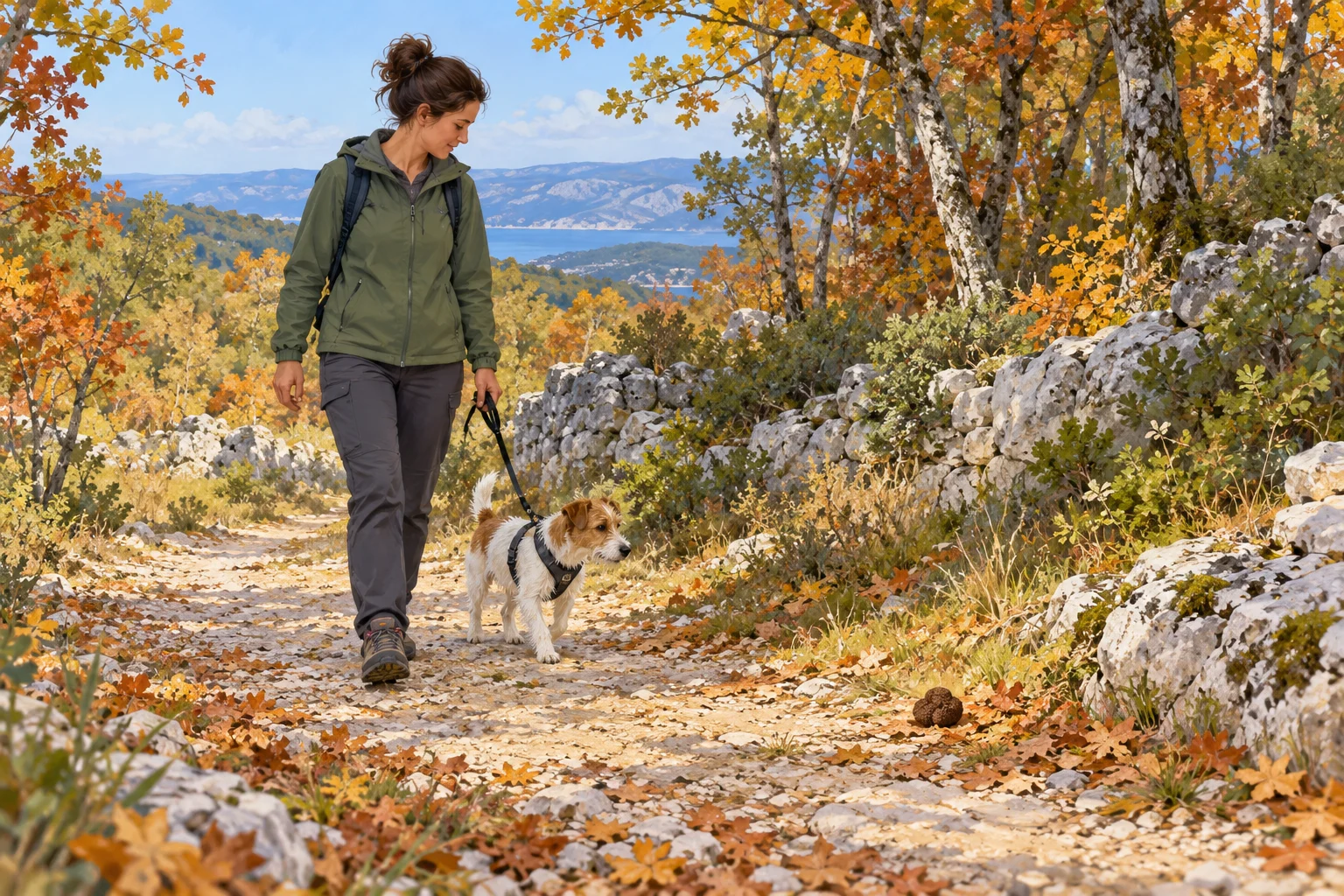
In practice, keep your dog close when passing a suspicious object. Children can remember a short rule: look, do not pick it up, show an adult. This does not require explanations about appearance and smell that might encourage curious examination.
Accommodation hosts can pass on the official notice to guests rather than circulating their own warnings about supposed poison baits. For an enquiry, the place, time and type of possible contact are more useful than guesses about what an object contained. Do not open it to test that guess.
An animal bite is a different situation
After a bite or scratch from a potentially infected animal, WHO recommends immediately washing the wound with soap and water for at least 15 minutes and seeking medical care without delay. A clinician will assess whether treatment following possible rabies exposure is needed. Waiting for symptoms is not a safe approach.
This advice about actual animal contact is separate from the preventive vaccination campaign. Finding a bait neither proves that an animal is ill nor does the country’s status replace medical assessment of a specific bite. For an ordinary autumn outing, a calm, attentive approach to wildlife and unfamiliar objects is enough.
Evidence
Sources & date
Sources support the facts. Planning notes and recommendations are Golden Beach editorial assessments.
- Start of the autumn oral fox vaccination campaignCroatian Ministry of Agriculture · 20 October 2026; checked 21 OctoberPreventive purpose, rabies status, mainland coverage and planned operating periods by departure airport
- Oral vaccination: bait safety precautionsUprava za veterinarstvo i sigurnost hrane · Safety guidance for 2026; checked 21 OctoberHandling finds, skin contact and damaged baits; not a replacement vaccination for pets
- Rabies – fact sheetWorld Health Organization (WHO) · 17 September 2026; checked 21 OctoberWound washing and immediate medical assessment after possible rabies exposure


